
The brain is the control center of the human body. It regulates thoughts, emotions, breathing, movement, and every complex process that keeps us alive and functioning. What we eat directly affects how well we think, remember, and concentrate. A balanced, nutrient-rich diet supports brain cells, improves communication between neurons, and protects against cognitive decline.
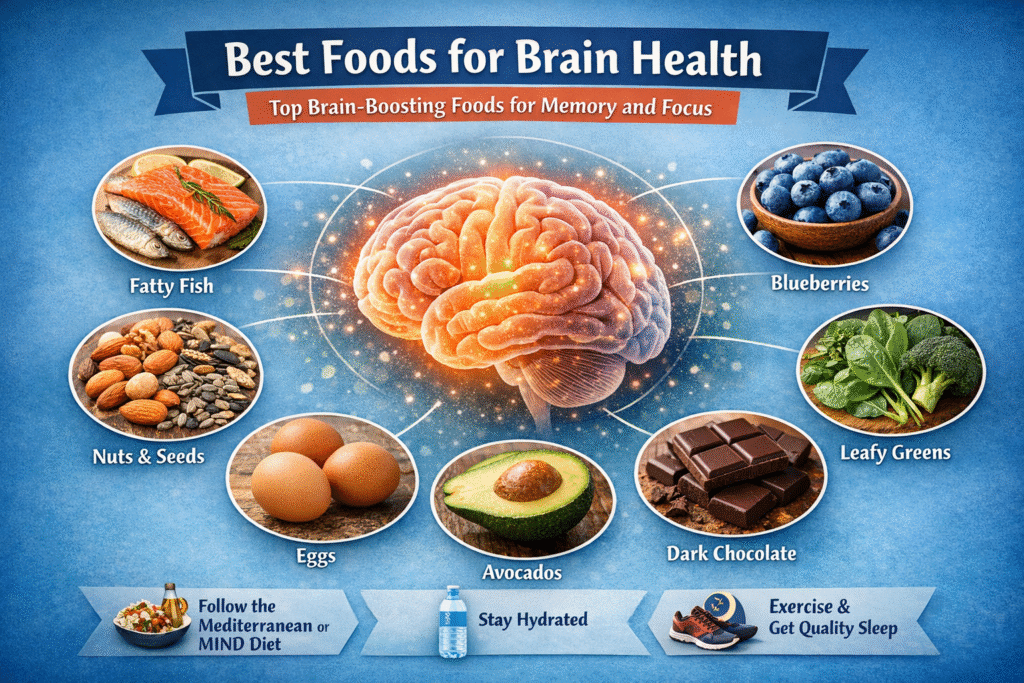
Why Nutrition Matters for the Brain
Although the brain represents only about 2% of body weight, it uses around 20% of the body’s energy. That energy comes from the nutrients we consume daily. Poor dietary habits can increase inflammation and oxidative stress, which may impair memory and focus. Nutrient-dense foods, however, provide antioxidants, healthy fats, vitamins, and minerals that support long-term cognitive performance.
Fatty Fish: Essential Fuel for Brain Cells
Fatty fish such as salmon, sardines, trout, and mackerel are rich in omega-3 fatty acids, especially DHA. DHA is a major structural component of brain cells. Regular consumption of omega-3-rich fish supports learning ability, memory retention, and may reduce the risk of age-related cognitive decline.
Blueberries and Berries: Antioxidant Protection
Berries contain powerful antioxidants and flavonoids that help reduce oxidative stress. Studies suggest that regular berry consumption improves communication between brain cells and enhances memory. Adding berries to breakfast cereals, smoothies, or yogurt is a simple way to support brain health.
Leafy Green Vegetables: Nutrient-Dense Support
Spinach, kale, broccoli, and other leafy greens provide vitamin K, folate, lutein, and beta carotene. These nutrients help slow cognitive decline and protect brain cells from damage. Including greens in salads, soups, and stir-fries strengthens overall brain nutrition.
Nuts and Seeds: Vitamin E and Healthy Fats
Nuts and seeds are rich in vitamin E and healthy fats that protect brain cells from oxidative damage. Walnuts are especially beneficial due to their omega-3 content. A handful of mixed nuts makes a convenient and brain-friendly snack.
Eggs: A Source of Choline
Eggs provide choline, a nutrient essential for producing acetylcholine, a neurotransmitter involved in memory and mood regulation. Eggs also contain B vitamins that help maintain healthy brain function and energy levels.
Whole Grains: Steady Energy for Focus
Whole grains such as oats, quinoa, brown rice, and whole wheat provide a steady release of glucose, the brain’s primary energy source. Unlike refined carbohydrates, whole grains support stable concentration and mental stamina throughout the day.
Dark Chocolate: A Cognitive Boost
Dark chocolate contains flavonoids and antioxidants that improve blood flow to the brain. Moderate consumption may enhance mood, alertness, and memory performance. Choose chocolate with at least 70% cocoa for maximum benefit.
Avocados: Healthy Blood Flow
Avocados are rich in monounsaturated fats that support healthy blood circulation. Proper blood flow ensures the brain receives adequate oxygen and nutrients, promoting long-term cognitive health.
Turmeric: Natural Anti-Inflammatory Support
Turmeric contains curcumin, known for its anti-inflammatory and antioxidant properties. Curcumin may help protect brain cells and support memory function when included regularly in the diet.
Hydration and Brain Function
Adequate hydration is essential for concentration and short-term memory. Even mild dehydration can negatively affect focus. Drinking enough water throughout the day is one of the simplest ways to maintain mental clarity.
Dietary Patterns for Brain Health
Overall dietary patterns matter more than single foods. Diets rich in fruits, vegetables, whole grains, fish, nuts, and healthy fats provide consistent support for cognitive performance. Limiting processed foods, refined sugars, and trans fats reduces inflammation and supports long-term brain protection.
Conclusion
The connection between nutrition and brain health is clear. By consistently choosing foods rich in omega-3 fatty acids, antioxidants, vitamins, and healthy fats, you can enhance memory, improve focus, and protect cognitive function over time. A healthy brain begins with mindful daily food choices.