
Autobiography of a Yogi — A Journey Beyond the Ordinary
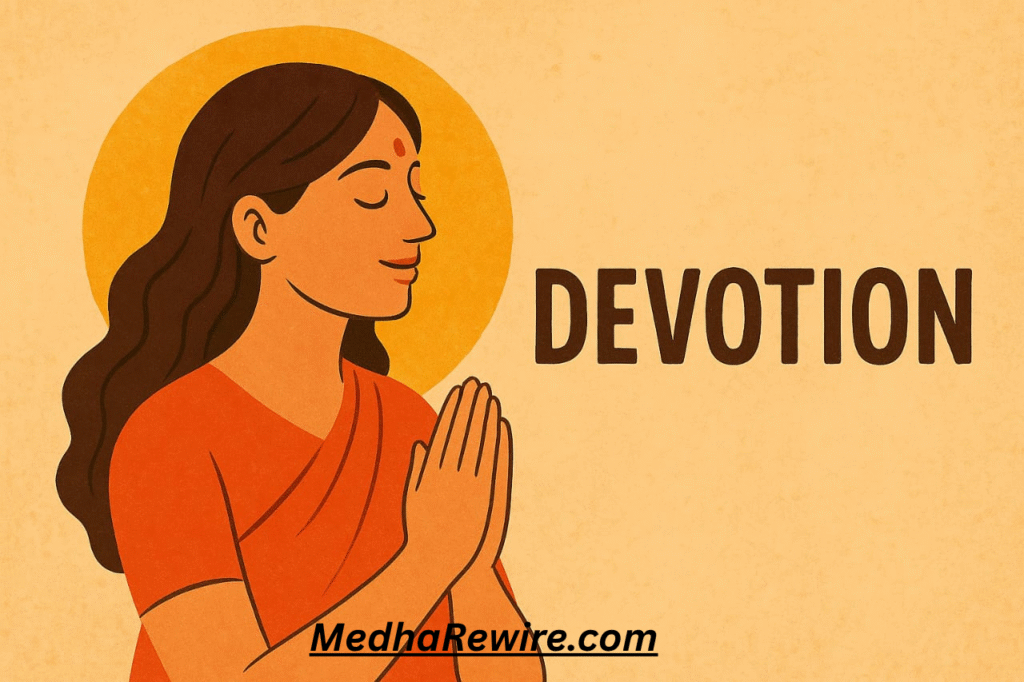
What is Devotion?
Devotion, or Bhakti, is one of the most profound ways to connect with the Divine, the universe, or even a higher purpose in life. It is not merely religious ritual or duty; it is a heartfelt bond of love, loyalty, and surrender. In Sanskrit, the word Bhakti comes from the root bhaj, meaning “to share” or “to love.” True devotion is expressed not only in words or rituals but also in attitude, thought, and action.
Devotion engages both the heart and mind, creating a spiritual experience that transforms everyday life into a path of growth, selflessness, and inner peace. Unlike knowledge (Jnana) or action (Karma) alone, devotion makes spiritual practice personal, emotional, and lived.
The Essence of Devotion
At its core, devotion is about:
1. Love with reverence: Feeling deep respect and care for the divine or the object of devotion.
2. Surrender of ego: Letting go of personal control and trusting in a higher wisdom.
3. Consistency in practice: Devotion is shown through sustained effort—prayers, meditation, rituals, or service.
A devotee experiences joy, peace, and contentment, not from external achievements, but from the inner connection that devotion creates.
Types of Devotion (Bhakti)
Spiritual texts like the Bhagavad Gita and Bhagavata Purana describe different forms of devotion, allowing each individual to cultivate Bhakti in ways suited to their nature and temperament.
1. By Attitude
Apara Bhakti (Lower Devotion): Devotion mixed with desire. A devotee may pray for health, wealth, protection, or success. While sincere, it is still partially self-centered.
Para Bhakti (Supreme Devotion): Pure love for the divine without expecting anything in return. The devotee finds joy simply in remembering or serving the Divine.
2. By Form – The Nine Expressions of Bhakti (Navadha Bhakti)
According to the Bhagavata Purana, devotion can be expressed in nine main ways:
1. Śravaṇam (Listening): Hearing sacred stories, scriptures, or teachings.
2. Kīrtanam (Chanting): Singing or reciting hymns, mantras, or devotional songs.
3. Smaranam (Remembering): Constant remembrance and reflection on the divine.
4. Pāda-sevanam (Service): Serving others or sacred places as an expression of devotion.
5. Archanam (Worship): Offering prayers, flowers, or ritualistic worship.
6. Vandanam (Prayers): Bowing or expressing reverence through heartfelt words.
7. Dāsyam (Servitude): Seeing oneself as a humble servant of the divine.
8. Sākhyam (Friendship): Relating to the divine as a close friend.
9. Ātma-nivedanam (Complete Surrender): Offering one’s entire being and life to the divine.
These nine forms allow each individual to engage in devotion according to their natural inclinations—whether through emotion, service, ritual, or contemplation.
Why Devotion is Important
Devotion is more than a spiritual practice; it is a way to transform the mind, heart, and life. Here’s why it matters:
1. Cultivates inner peace: A devoted mind is calm, less attached to outcomes, and resilient in challenges.
2. Develops selflessness: True devotion focuses on the divine or others, reducing ego, greed, and selfishness.
3. Strengthens focus: Repetition of prayers, chants, or meditation improves concentration and awareness.
4. Connects to higher consciousness: Devotion fosters a sense of unity with the universe and the divine essence in all beings.
5. Brings joy in simplicity: Even small acts of prayer or service become deeply satisfying when performed with love and sincerity.
—
How to Cultivate Devotion
Even if you are new to spiritual practices, devotion can be cultivated gradually through simple, heartfelt methods:
1. Listening and Learning (Śravaṇam)
Listen to spiritual stories, discourses, or teachings.
Reading sacred texts, biographies of saints, or inspirational stories awakens the heart and mind.
2. Chanting and Singing (Kīrtanam)
Repeat mantras or hymns.
Singing devotional songs or bhajans engages emotions and strengthens focus.
3. Remembrance (Smaranam)
Think of the divine or your spiritual ideal throughout the day.
Short moments of mindfulness—reflecting on love, compassion, or gratitude—strengthen your devotion.
4. Service and Compassion (Pāda-sevanam & Dāsyam)
Help others selflessly, seeing the divine in everyone.
Volunteer for community work, charity, or temple service.
5. Worship and Prayer (Archanam & Vandanam)
Offer flowers, light lamps, or bow in reverence, even at a simple home altar.
Pray sincerely from the heart, without concern for ritual perfection.
6. Friendship and Surrender (Sākhyam & Ātma-nivedanam)
Talk to the divine as a friend, share feelings, fears, or gratitude.
Surrender your worries and actions to the divine will, trusting in a higher plan.
Daily Devotion Practices
A simple daily routine can nurture devotion over time:
Morning:
Wake with gratitude and a short prayer.
Light a lamp, offer a flower, or chant a mantra for 5–10 minutes.
Sit quietly in meditation, visualizing love and peace.
Daytime:
Repeat a short mantra mentally while walking or working.
Serve others with kindness and awareness.
Evening:
Recite a devotional song or prayer.
Reflect on the day, offer gratitude, and surrender worries.
Weekly or Monthly:
Spend extra time in spiritual reading or listening to talks.
Attend satsang (spiritual gatherings) or visit sacred places.
The Heart of True Devotion
True devotion is measured not by the length of rituals or complexity of worship, but by love, sincerity, and constancy of mind and heart. Even small, simple acts—praying for a few minutes, helping someone selflessly, or quietly reflecting on spiritual truths—become powerful expressions of devotion when done with genuine feeling.
Spiritual teachers remind us that devotion is a journey, not a destination. It grows gradually, like a flame, through consistent attention, love, and surrender. Over time, devotion transforms ordinary life into a living meditation, where each thought, word, and action is guided by love, compassion, and spiritual awareness.
> “Where there is love without expectation, and surrender without hesitation, there is true devotion.” – Inspired by the Bhagavata Purana
Conclusion
Devotion, or Bhakti, is the heart’s journey to the divine, expressed through love, service, remembrance, and surrender. It does not require perfection, wealth, or knowledge—only a sincere desire to connect and grow spiritually. By cultivating devotion in daily life, through listening, chanting, meditation, service, and surrender, anyone can experience the inner peace, joy, and spiritual fulfillment that comes from true Bhakti.
Whether you are emotional, intellectual, service-minded, or ritual-focused, there is a path of devotion that aligns with your nature. What matters most is consistency, sincerity, and love—for it is in these qualities that the soul awakens to its highest potential.
Devotion is not only a spiritual practice—it is a way of living, a way of seeing the world, and a path toward discovering the infinite love and wisdom that resides within and around us.
— © MedhaRewire — Rewired for Growth